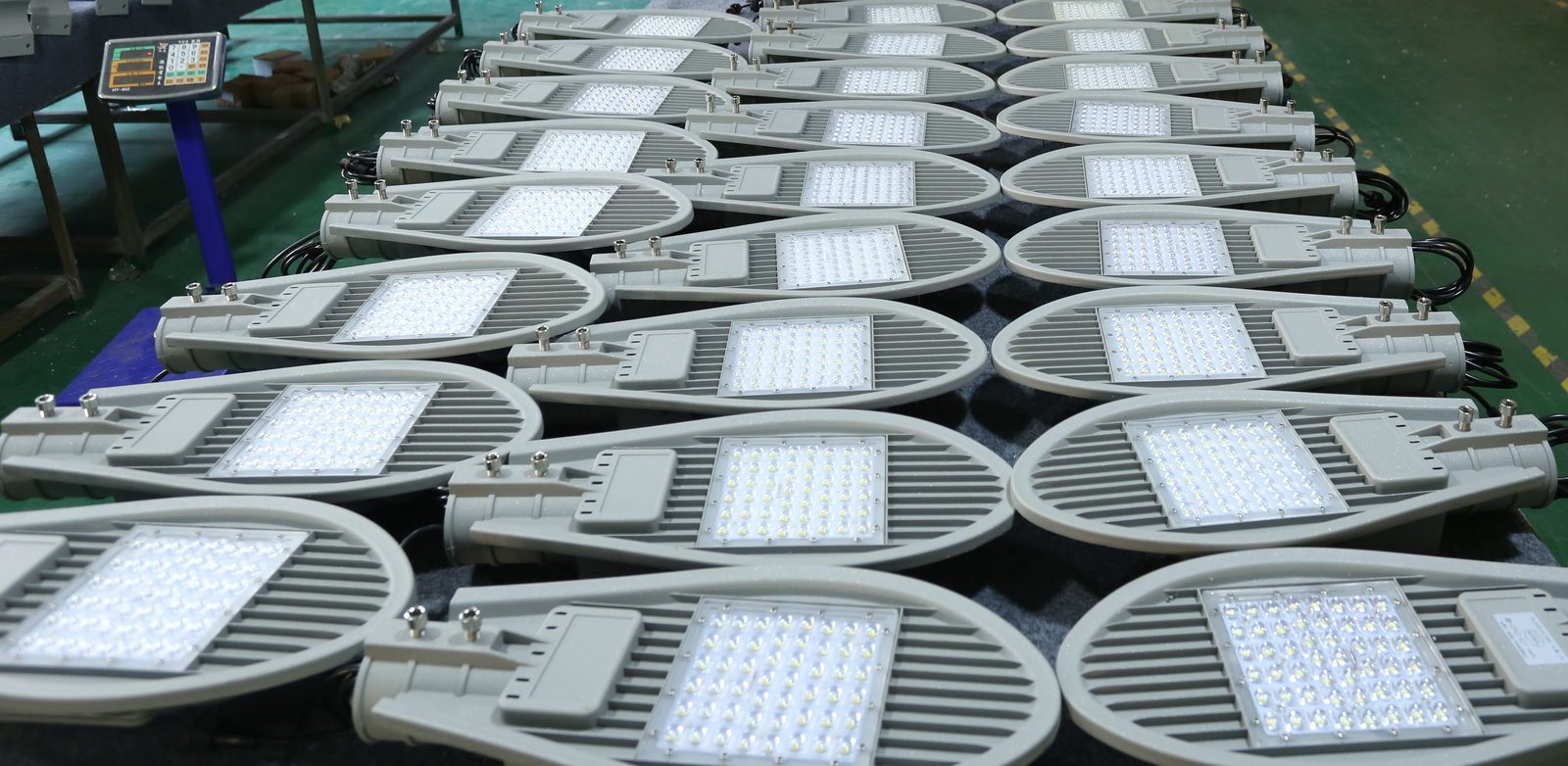
For rural electrification projects in Africa, choose a solar street light supplier that manufactures in-house, uses LiFePO4 batteries with a proper BMS, sizes each light for 12-hour nights and cloudy rainy-season days, and can supply project documents and ship the order to your port. WilSolar is a factory-direct manufacturer in Zhongshan, China, that assembles its own battery packs and manufactures its own poles, has shipped more than 650,000 units to 108 countries and regions, including 3,200 units for an export project in Congo. Its integrated lights are rated IP65/IP66, and project-grade models carry an 8-year warranty.
This guide explains what matters most for village roads, health centres, schools and market areas where there is no grid, and how to check a supplier before you commit. For a wider comparison of factories, see Top Solar Street Light Manufacturers in China.
Why rural Africa needs a different specification
A light that works well on a city street in Europe or East Asia can fail quickly in a village in Central or West Africa. The main differences are:
- 12-hour nights, every night. Near the equator, nights last about 12 hours in every season, and in southern or northern Africa winter nights can reach 13 hours or more. The battery must cover the full dusk-to-dawn period at your latitude.
- Rainy seasons. Several cloudy days in a row are common. The system needs reserve capacity, called autonomy days, so it keeps working until the sun comes back. Many project specifications ask for 2–3 days, and more in regions with long rainy seasons.
- Heat and dust. High temperatures shorten battery life, and dust on the panel reduces charging. Battery chemistry, enclosure rating and panel tilt angle all matter.
- No grid, little maintenance. Many sites have no technician nearby. The light should run on its own, with a battery that can be replaced locally when it reaches the end of its life. See our installation guide and 6–12 month maintenance checklist for training local teams.
- Theft and vandalism. Panels and batteries are attractive to thieves in some areas. Integrated lights mounted at full pole height, anti-theft fasteners and community involvement in the project all reduce losses.
- Long supply chain. Lights travel by sea and then by road. Packing, documents and spare parts must be planned before the order ships.
What to require from a supplier
1. Sizing for your site, not a catalogue wattage
Ask the supplier to size the system from your real inputs: location, mounting height, road width, required lighting hours and how many cloudy days the light must survive. A supplier that only quotes a wattage number without asking these questions is guessing. Our guide Solar Street Light Sizing: 7 Inputs a Supplier Needs Before Quoting lists what to send with your enquiry.
WilSolar reviews the application, destination, specification and quantity before recommending a model, and confirms the configuration with a sample before mass production.
2. LiFePO4 batteries with a BMS
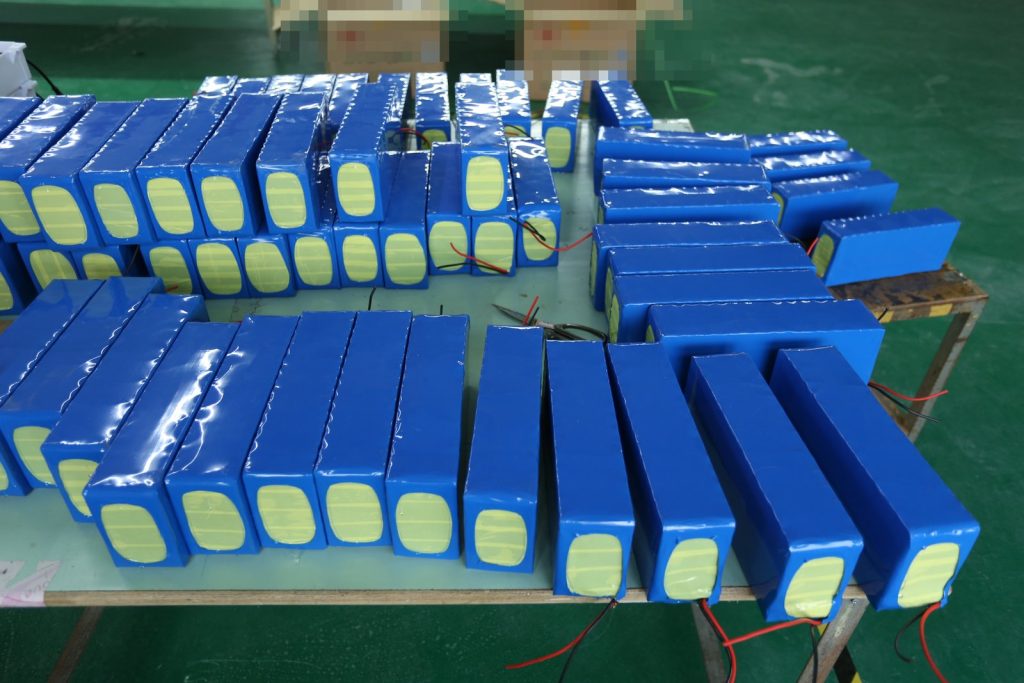
LiFePO4 (lithium iron phosphate) cells handle heat and deep daily cycling better than many other battery types, although sustained high temperatures still shorten their life, and a battery management system (BMS) protects them from over-charge, over-discharge and short circuits. Ask whether the cells are new Grade-A cells and who assembles the pack. See Grade-A LiFePO4 vs Reused EV Cells for Solar Street Lights for what to check.
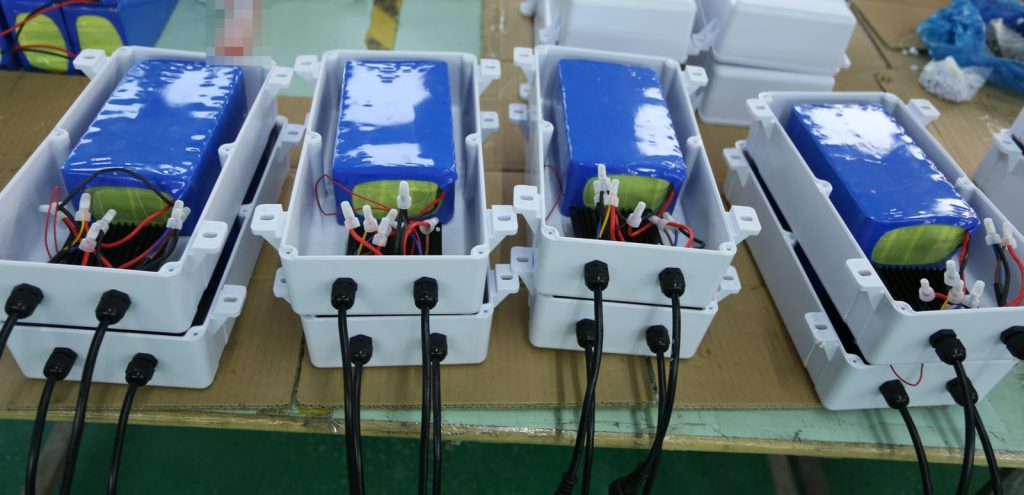
WilSolar assembles battery packs in its own workshop. Integrated lights use a LiFePO4 battery and an intelligent controller, and on economy models the battery typically serves 3–5 years and is replaceable, so a village does not have to throw away the whole light when the battery ages. For tenders, ask for the expected battery life and cycle rating of the exact model you are quoting.
3. Weather protection
Integrated WilSolar street lights are rated IP65 or IP66 against dust and water, depending on the model, and the LED modules are rated for more than 50,000 hours. Ask about the pole as well. For sites with strong storms, the pole’s wall thickness and foundation must suit the local wind load. For corrosion protection in humid or coastal areas, WilSolar’s in-house poles are hot-dip galvanized with a 98 μm coating and come with a 25-year warranty.
4. All-in-one or split?
For most village roads and compounds, all-in-one (integrated) lights are easier: panel, LED, battery and controller come in one unit, there is no cable between parts, and installation is fast. Split systems, with a separate panel and battery box, make sense when you need a larger panel, more battery capacity, or want the battery mounted away from the lamp. The comparison All-in-One vs Split Solar Street Light explains the trade-offs. WilSolar supplies both.
5. Testing and quality control you can verify
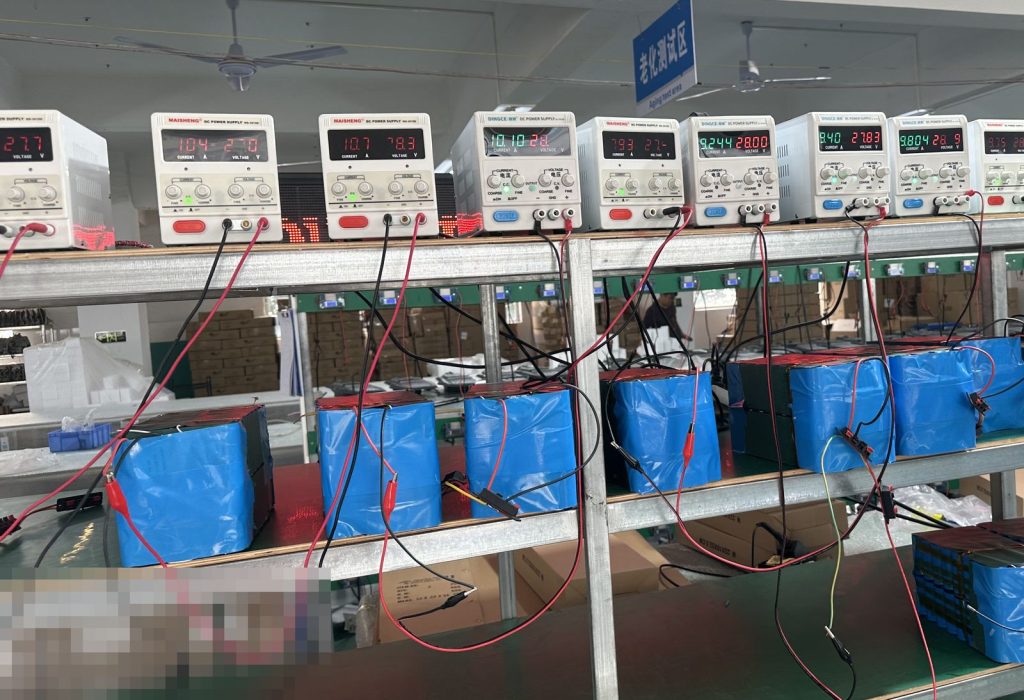
Ask how each batch is checked before it is packed. WilSolar’s quality workflow covers incoming material checks (IQC), in-process checks (IPQC), functional checks and outgoing quality control (OQC). Battery packs are charge/discharge aging-tested in the factory, and samples are checked on a dedicated sample test line.
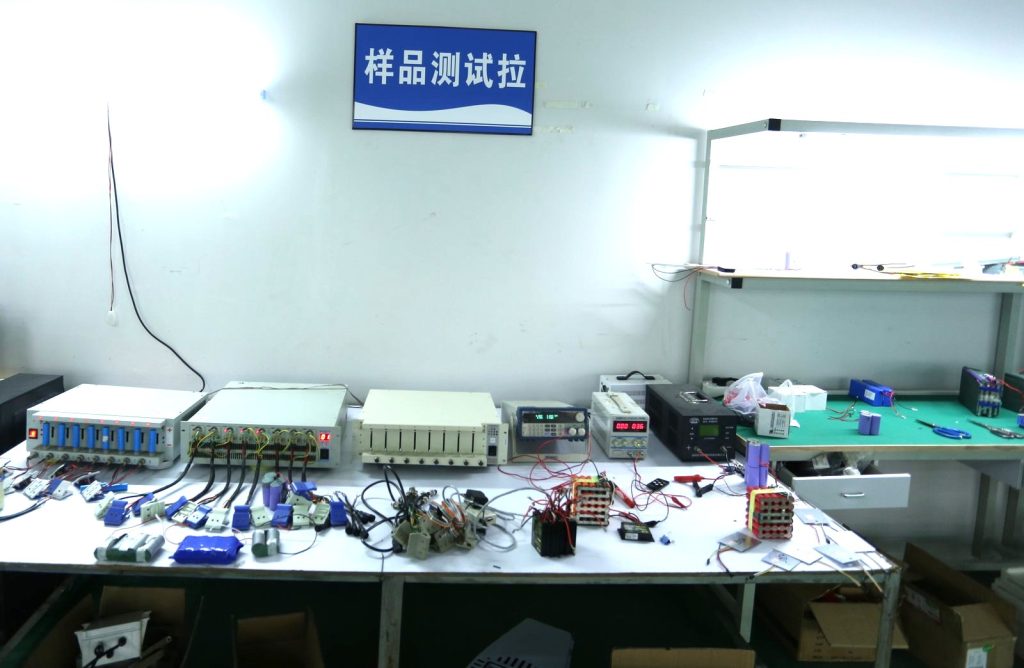
6. Documents for funders and tenders
Rural electrification projects are often funded by governments, development banks or NGOs, and they usually ask for documents. WilSolar can provide CE, RoHS and management-system documents, plus model-specific test files, on request. Check early which local import or conformity documents your country requires, and confirm with the supplier which of them they can support. Our article on solar street light certificates and project documents has more detail.
7. Export and logistics support
Ask about trade terms, departure port, packing and paperwork. WilSolar offers EXW, FOB and CIF terms, ships from Shenzhen or Guangzhou, and coordinates export packing and shipping documents. Payment terms follow standard export practice, such as T/T, and are confirmed with each quotation.
Experience in Africa and similar markets
WilSolar has supplied 3,200 solar street lights for an export project in Congo. Other named export projects include 2,310 units in the Philippines, 2,690 units in Thailand and 890 units in Vietnam, all tropical markets with 12-hour nights, heat and rainy seasons similar to many African regions.
How to check a supplier before you order
- Send your project inputs (location, road type, pole height, hours, quantity) and see whether the supplier asks follow-up questions.
- Order a sample. WilSolar accepts sample orders from 1 unit; the bulk MOQ depends on the model.
- Visit or video-tour the factory. Buyers can visit the Zhongshan factory by appointment, and remote video tours can be arranged on request.
- Ask for documents for the exact model you will buy, not a different one.
- Agree on warranty and spare batteries before mass production. Project-grade WilSolar models carry an 8-year warranty. Ask in writing which parts it covers (battery, LED, controller, panel) and how replacement parts are shipped.
For a deeper checklist, read How to Audit a Solar Street Light Manufacturer for EPC and Municipal Projects.
FAQ
How many hours should a solar street light run in Africa?
Near the equator, plan for about 12 hours every night. In southern and northern Africa, winter nights are longer, about 13–14 hours, so size for the longest night at your site. Many systems use dimming in the middle of the night to save energy, but the battery should still cover dusk to dawn, plus reserve for cloudy days.
How many cloudy days should a solar street light cover?
Most rural projects specify 2–3 days of autonomy, and more for regions with long rainy seasons. Send your location and required hours to the supplier so the battery and panel are sized for your actual weather.
Which battery is best for solar street lights in hot climates?
LiFePO4 with a BMS is the common choice for hot climates because it tolerates heat and daily deep cycling better than many alternatives. Ask for new Grade-A cells and a pack assembled by the manufacturer.
Can the battery be replaced later?
On WilSolar economy models, the LiFePO4 battery typically lasts 3–5 years and is replaceable. Ask the supplier which models allow battery replacement and whether spare batteries can ship with the order.
Is all-in-one or split better for village roads?
All-in-one lights are usually the simpler choice for village roads and compounds. Choose a split system when you need a bigger panel or battery, for example for higher poles or very long autonomy.
Can a Chinese factory ship directly to an African port?
Yes. WilSolar offers CIF terms and ships from Shenzhen or Guangzhou, with export packing and documents coordinated by the factory. CIF covers delivery to the destination sea port only; for inland sites and landlocked countries, plan inland transport and transit documents separately. Confirm your destination port and local import requirements when you request a quotation.
Does WilSolar offer OEM branding for government or NGO projects?
Yes. Branding, packaging, labels and selected technical configurations can be customised depending on model and quantity.
Talk to WilSolar about your project
Tell us your country, site type, pole height, lighting hours and quantity, and we will recommend a matching model and send a quotation. Email info@wilsolar.com or WhatsApp +86 18125391153, or use the contact page.