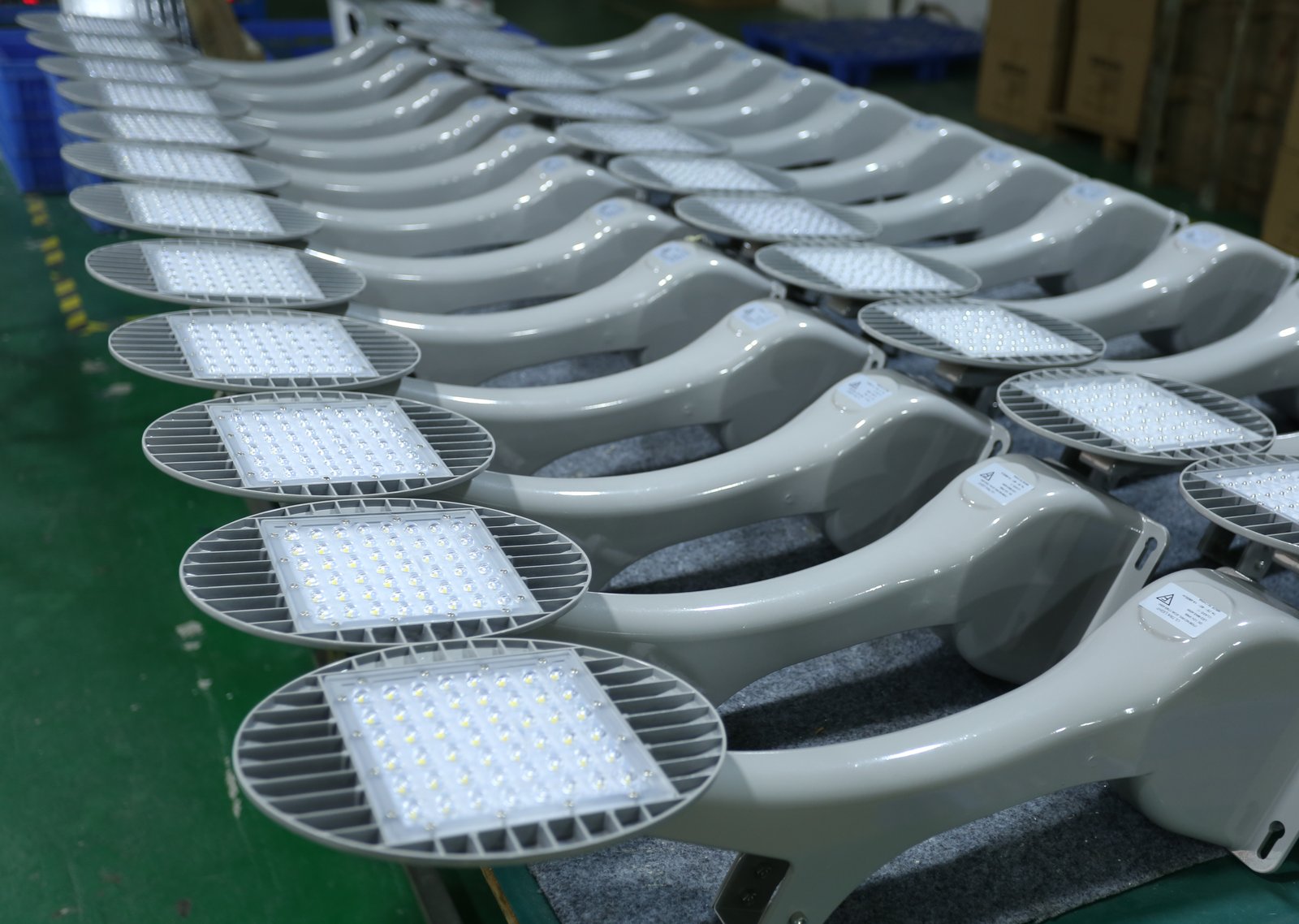
For projects in the Philippines and Vietnam, choose a solar street light supplier that can size systems for monsoon cloud cover, protect poles against typhoon winds and salty coastal air, use LiFePO4 batteries with a BMS, and show real deliveries to the region. WilSolar is a factory-direct manufacturer in Zhongshan, China, that has named export projects of 2,310 units in the Philippines and 890 units in Vietnam, and has shipped more than 650,000 units to 108 countries and regions. Its integrated lights are rated IP65 or IP66 depending on the model, and project-grade models carry an 8-year warranty.
This guide is for contractors, distributors and local government buyers who are shortlisting Chinese suppliers for roads, barangay and village lighting, resorts, ports and industrial zones. For a wider look at how to shortlist factories, see Top Solar Street Light Manufacturers in China.
What makes the Philippines and Vietnam different
Both countries have good sun for much of the year, which makes solar lighting a good fit. Northern Vietnam is the exception in winter and early spring, when long overcast and drizzly spells overlap with long nights. But the climate also creates specific risks:
- Monsoon and rainy seasons. Several cloudy days in a row reduce charging. The system needs enough battery reserve (autonomy days) and a panel large enough to recover after bad weather.
- Typhoons. Strong winds put heavy loads on the pole, the lamp arm and the panel bracket. A pole that is fine in a calm inland city may bend or fail on a coastal road; in Vietnam, typhoon risk is highest on the northern and central coast.
- Salt air and humidity. Coastal roads, islands and port areas corrode steel and connectors quickly if the coating and sealing are poor.
- Heat and humidity together. Year-round heat shortens battery life, and humidity condenses inside poorly sealed housings. Battery chemistry, placement and housing seals all matter.
- Islands and remote sites. Many projects are far from technicians. Lights must run on their own and be easy to service.
- Floods and lightning. Low-lying roads flood during storms, and lightning is frequent. Keep batteries and controllers above flood level and ask about surge protection.
- Theft. Panels and batteries are targets in some areas. Pole-top mounting, anti-theft bolts and integrated designs reduce the risk.
What to require from your supplier
1. Sizing for your location and season
Ask the supplier to size the system from your real inputs: city or province, mounting height, road width, lighting hours and how many cloudy days the light must survive. Across the Philippines and Vietnam (roughly 5°N to 23°N), nights last about 11 to 13.5 hours. The longest nights fall in December, and northern Vietnam sees about 13 hours or more, so size the battery for the longest night of the year, not the average. Many project specifications ask for 2–3 days of autonomy. Size for the worst season at your site: in the Philippines the southwest monsoon (habagat) brings long cloudy spells from about June to October; in northern Vietnam, winter drizzle and overcast skies can last for weeks from about January to March; southern Vietnam has its rainy season from about May to November. Our guide Solar Street Light Sizing: 7 Inputs a Supplier Needs Before Quoting lists what to send.
WilSolar reviews the application, destination, specification and quantity before recommending a model, and its order process includes sample confirmation before mass production.
2. Poles and brackets built for typhoon zones
For coastal and typhoon-prone sites, the pole’s wall thickness, design and foundation must match the local wind load. Ask the supplier for the wind calculation or design basis for your pole height, and state the local wind requirement in your RFQ, for example the basic wind speed under the National Structural Code of the Philippines (NSCP) or the wind region under Vietnam’s loads standard TCVN 2737. Your structural engineer or the project specification should give this value. Our article on wind load engineering for 10 m and 12 m poles explains what to check.
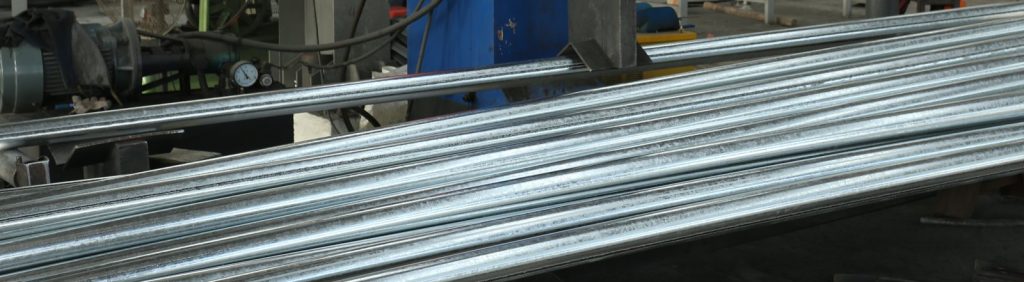
WilSolar manufactures poles in its own workshop. They are hot-dip galvanized with a 98 μm coating for corrosion protection and come with a 25-year warranty.
3. Corrosion and water protection
Integrated WilSolar street lights are rated IP65 or IP66 against dust and water, depending on the model, and the LED modules are rated for more than 50,000 hours. For seaside projects, also ask how cable glands, screws and connectors are protected, and how often they should be inspected. The 6–12 month maintenance checklist is a good starting point for local teams.
4. LiFePO4 batteries with a BMS
LiFePO4 (lithium iron phosphate) batteries handle heat and daily deep cycling better than many other battery types, although sustained high temperatures still shorten their life. A battery management system (BMS) protects the cells from over-charge, over-discharge and short circuits. Ask for new Grade-A cells; see Grade-A LiFePO4 vs Reused EV Cells.
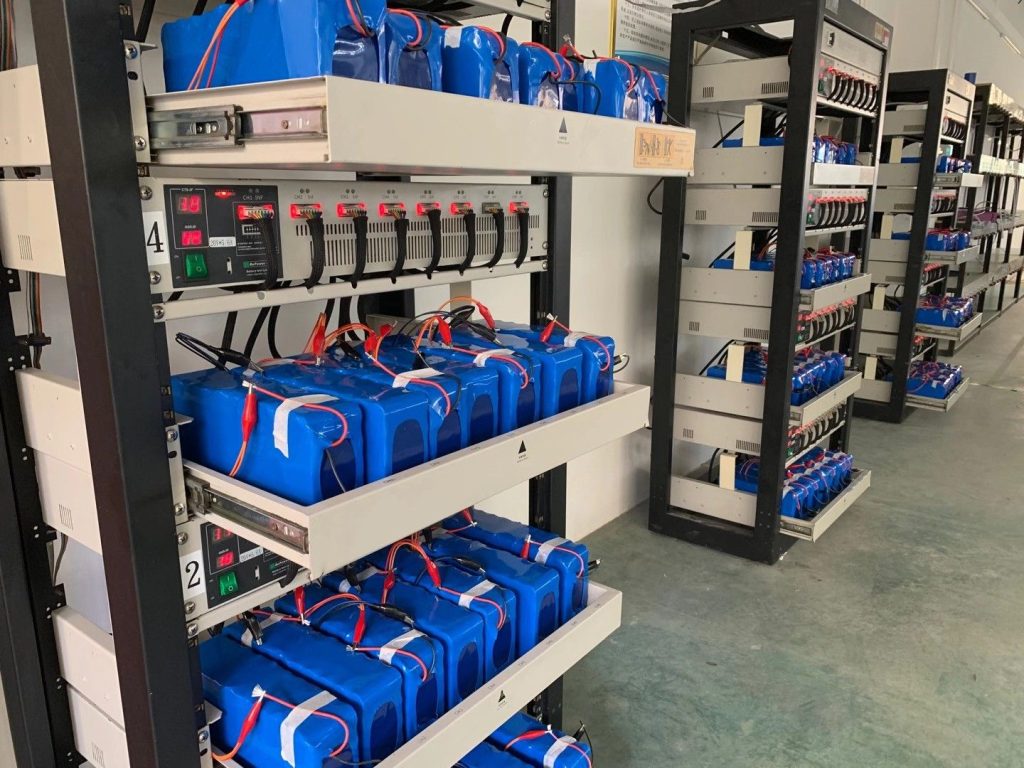
WilSolar assembles battery packs in its own workshop. On economy models, the LiFePO4 battery typically serves 3–5 years and is replaceable. For tenders, ask for the expected battery life and cycle rating of the exact model you are quoting.
5. All-in-one or split in typhoon zones?
All-in-one (integrated) lights are quick to install and suit village roads, subdivisions and resort paths. In typhoon areas, though, the panel acts like a sail: a large integrated head or a big split panel at the top of a tall pole adds wind area, so ask that the panel and bracket be included in the pole’s wind calculation. Split systems, with a separate panel and battery, suit higher poles and sites that need more autonomy. The comparison All-in-One vs Split Solar Street Light explains the trade-offs.
6. Quality control and documents
WilSolar’s quality workflow covers incoming material checks (IQC), in-process checks (IPQC), functional checks and outgoing quality control (OQC), and battery packs go through charge/discharge testing in the factory. The company can provide CE, RoHS and management-system documents plus model-specific test files on request. Check early which local documents your project needs. In the Philippines, LGU and DPWH tenders may cite their own technical specifications, and some imported electrical products need Bureau of Philippine Standards (BPS) certification. In Vietnam, check whether TCVN/QCVN or import conformity requirements apply. Confirm with the supplier which documents they can support for your model. See Solar Street Light Certificates: CE, RoHS, IEC and Project Documents.
7. Shipping to Manila, Ho Chi Minh City or Hai Phong
Shipping from South China to the Philippines and Vietnam is a short sea route. WilSolar offers EXW, FOB and CIF terms and usually ships from Shenzhen or Guangzhou, with export packing and documents coordinated by the factory. Payment terms follow standard export practice, such as T/T, and are confirmed with each quotation. For island projects, plan the local transport from the main port to the site separately.
WilSolar’s experience in the region
WilSolar’s named export projects include 2,310 units in the Philippines and 890 units in Vietnam, alongside other Southeast Asian projects such as 2,690 units in Thailand. Philippine road lighting work is documented in our case studies: Philippines Road Solar Street Lighting Project — Manila and Manila Airport Expressway Solar Street Lighting (2016).
How to check a supplier before you order
- Send your project inputs (location, road type, pole height, hours, quantity) and see whether the supplier asks follow-up questions.
- Order a sample. WilSolar accepts sample orders from 1 unit; the bulk MOQ depends on the model.
- Visit or video-tour the factory. Buyers can visit the Zhongshan factory by appointment, and remote video tours can be arranged on request.
- Ask for documents for the exact model you will buy.
- Agree on warranty and spare parts before mass production. Ask in writing which parts the warranty covers (battery, LED, controller, panel), whether typhoon or flood damage is excluded, and whether spare batteries and controllers can ship with the main order so island sites do not wait for a second shipment.
For a full checklist, read How to Audit a Solar Street Light Manufacturer for EPC and Municipal Projects.
FAQ
Can solar street lights survive typhoons in the Philippines?
Yes, if the pole, arm, panel bracket and foundation are designed for the local wind load. Ask the supplier for the design basis for your pole height and site, and use proper foundations during installation. After a typhoon, check panel tilt, bracket bolts and the lamp arm as part of routine maintenance.
How many cloudy days should a solar street light cover in Southeast Asia?
Many project specifications ask for 2–3 days of autonomy. In areas with long monsoon seasons, ask the supplier to size for more, using your exact location.
What protects solar street lights near the sea?
Hot-dip galvanized poles, an IP65 or IP66 lamp rating, sealed cable glands and regular inspection. WilSolar’s in-house poles use a 98 μm hot-dip galvanized coating.
How long does shipping from China to the Philippines or Vietnam take?
Sea transit from South China to Manila, Ho Chi Minh City or Hai Phong is usually a matter of days rather than weeks. Total delivery time depends mostly on the production schedule, vessel booking and customs clearance. WilSolar ships from Shenzhen or Guangzhou and confirms lead time with each quotation.
Can distributors in the Philippines and Vietnam buy from WilSolar?
Distributors and importers can buy factory-direct as professional buyers. WilSolar offers OEM branding, packaging and labels and selected configurations depending on model and quantity, so ask about the terms for your market when you request a quotation.
What is the minimum order?
Samples can be ordered from 1 unit. The MOQ for bulk orders depends on the model.
Talk to WilSolar about your project
Tell us your city or province, site type, pole height, lighting hours and quantity, and we will recommend a matching model and send a quotation. Email info@wilsolar.com or WhatsApp +86 18125391153, or use the contact page.