All-in-One vs Split Solar Street Light: Which One Fits Your Project?
All-in-one units are faster to install, cheaper to ship, and harder to steal from — the right choice for village roads, compounds, and most municipal retrofits. Split systems separate the panel from the luminaire, which reduces pole-top weight and lets you oversize the array — the right choice for high wind-load sites, very high latitudes, and installations above roughly 150 W. This page gives you the comparison, the three conditions that should drive the decision, and the site data to collect before you ask for a quotation.
This is usually the first decision that locks in most of your project cost, and it is usually made too early, on the basis of a catalogue photo.
Both formats work. They fail in different places. Choosing well means matching the format to the site conditions you will actually have in year three, not to the price on the quotation.
The comparison that matters
| Factor | All-in-one | Split |
|---|---|---|
| Installation time | One unit, one lift, no on-site wiring. Typically 10–20 minutes per pole. | Panel, battery, and luminaire mounted and wired separately. Two to three times longer. |
| Shipping volume | Compact; more units per container. | Panel and structure ship as separate items; higher volume. |
| Pole-top weight | All mass at the top — needs a heavier pole at high wind load. | Distributed; lower moment on the pole. |
| Theft risk | Whole unit can be removed if the mounting is accessible. | Battery can be placed at the base or inside the pole. |
| Panel sizing freedom | Constrained by the integrated housing. | Array can be oversized independently of the luminaire. |
| Serviceability | Swap the whole unit; no on-site diagnostics. | Components replaced individually. |
| Best fit | Village roads, compounds, car parks, municipal retrofit where speed matters. | Coastal and high-wind sites, high latitude, 150 W+ installations. |
What installation actually looks like on site
The table compresses installation into one row, but this is where most of the real cost difference lives, so it is worth spelling out what a crew does at each pole.
Split system — three components, two or three wiring runs. The solar panel is installed first, bolted to the top of the pole at the design tilt angle. Next, the battery — mounted at the base of the panel or down inside the pole — has to be wired to the panel, and every connector must be sealed against rain by the crew on site. Only then is the LED luminaire lifted into place and connected, and the whole string tested after dark. More stages, more labour hours, and every field-made connector is a failure point you will own for the next eight years. On a programme of several hundred poles, the extra installation labour alone is usually the largest single cost gap between the two formats.
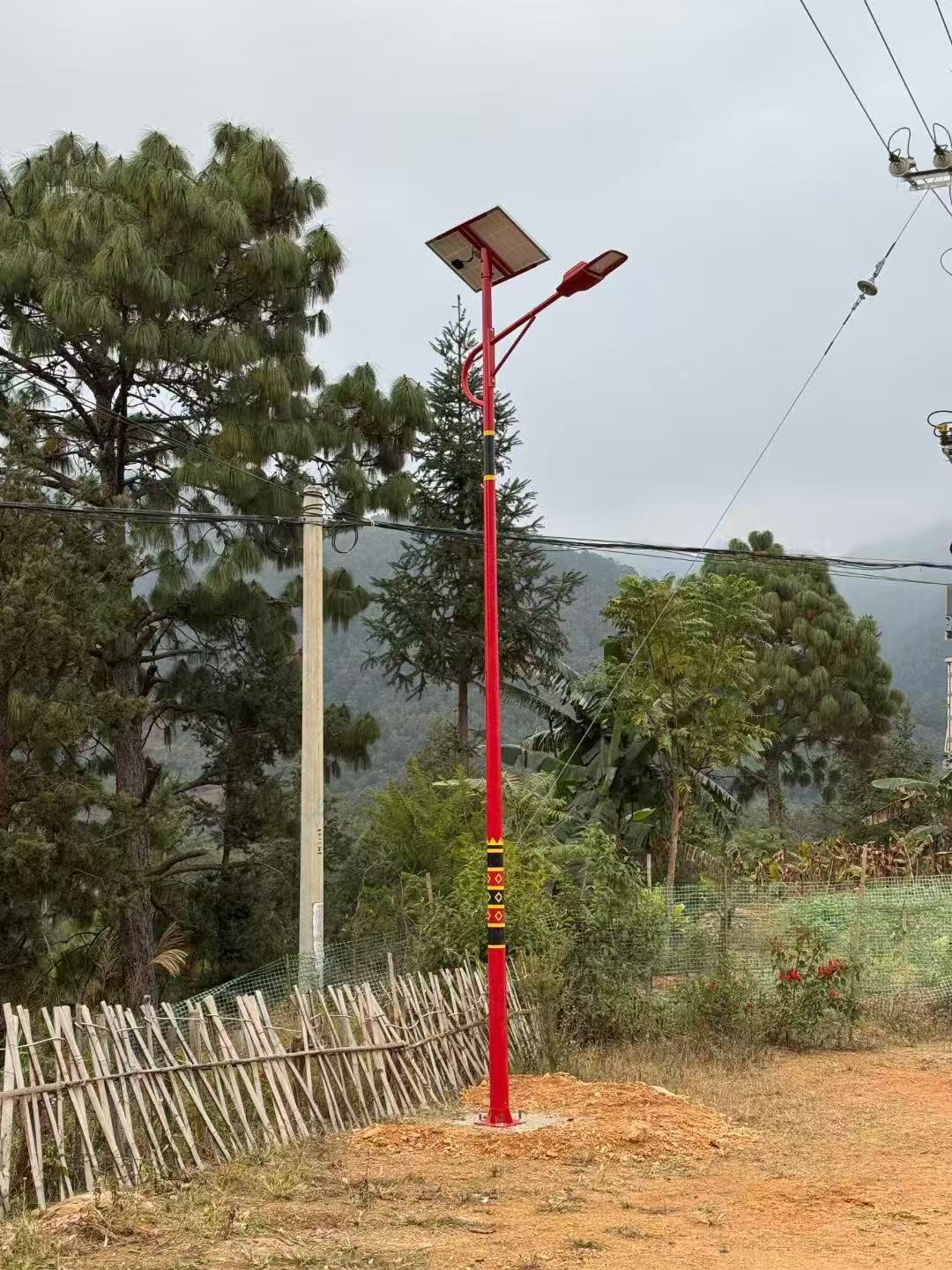
All-in-one — one lift, zero wiring. Once the pole is standing, the crew lifts the complete unit, slips it straight onto the top of the pole with the mounting bracket, tightens the locking bolts, and the job is done. Panel, battery, controller and luminaire arrive factory-wired and factory-configured — there is nothing to connect on site, and nothing to mis-wire. That is why an all-in-one programme can be installed by a small general crew with no electrician, typically in 10–20 minutes per pole.
| Step | All-in-one | Split |
|---|---|---|
| 1 | Erect the pole. | Erect the pole. |
| 2 | Slip the unit onto the pole top, tighten the bracket — done. | Bolt the panel assembly to the pole top and set the tilt angle. |
| 3 | — | Mount the battery at the base of the panel or inside the pole, and wire it to the panel on site. |
| 4 | — | Lift the LED luminaire and connect it to the controller. |
| 5 | — | Night test of the full wiring string. |
The rule of thumb that actually works
Go all-in-one unless one of these three conditions is true:
- Sustained wind load above your local design requirement. If you are on a coastline or an exposed ridge, the top-heavy mass of an integrated unit forces a more expensive pole — which usually erases the installation saving.
- You need more panel than the integrated housing allows. Above roughly 150 W of luminaire output in a low-irradiance region, a split array is the honest answer.
- Panel theft or battery theft is a known problem in the area. Split systems let you put the battery out of reach, which is often the deciding factor on rural programmes.
The site data that settles it before you quote
Every one of those three conditions can be resolved before you request a quotation, from six pieces of site data:
- Road width and length. These set pole height and spacing, which set luminaire wattage — and above roughly 150 W, a split array is usually unavoidable.
- Mounting height and geometry. Taller poles in exposed terrain increase the moment at the pole top, which is exactly where an integrated unit carries all of its mass.
- Design wind load. Ask for it as a wind pressure figure for the district, not as a weather description. A coastal road and an inland road thirty kilometres apart can have different requirements.
- Autonomy days and irradiance. How many overcast days the battery must cover, and how much winter sun the site actually receives.
- Latitude. Above roughly 45°, winter sun angles make an independently tilted split array materially more productive than a fixed-integration panel.
- Theft exposure. Whether panel or battery theft is documented in the district. This is a site fact, not a pessimism.
Send these six with your enquiry. A supplier who replies with a model recommendation and the pole specification has done the engineering. One who replies with a catalogue page has not.
The mistake buyers make most often
Choosing all-in-one to save on installation, then discovering the pole specification has to be upgraded for wind load. The saving is real and the cost is real, and they land on different lines of the budget, so the trade-off is easy to miss at quotation stage.
Ask for the pole specification alongside the luminaire specification, every time. If the supplier quotes the light and leaves the pole to you, the true project cost is not in the quotation.
A worked example
Consider a 9 m requirement on a coastal approach road: 60 W luminaire, three overcast autonomy days, and a district wind-pressure requirement that pushes the pole design. The all-in-one quotation looks cheaper — one lift per pole, fewer freight cubic metres. But the integrated housing puts panel, battery and luminaire at the pole top, and at that wind load the pole section has to be upgraded to carry the moment. On coastal programmes, that upgrade typically costs more than the installation saving.
A split configuration with the battery housed at the base removes the theft exposure on an unlit rural stretch and lets the array be sized for three autonomy days without fighting the housing geometry. Same road, same light level — different format, because the site data decided it, not the catalogue.
What WILSOLAR makes
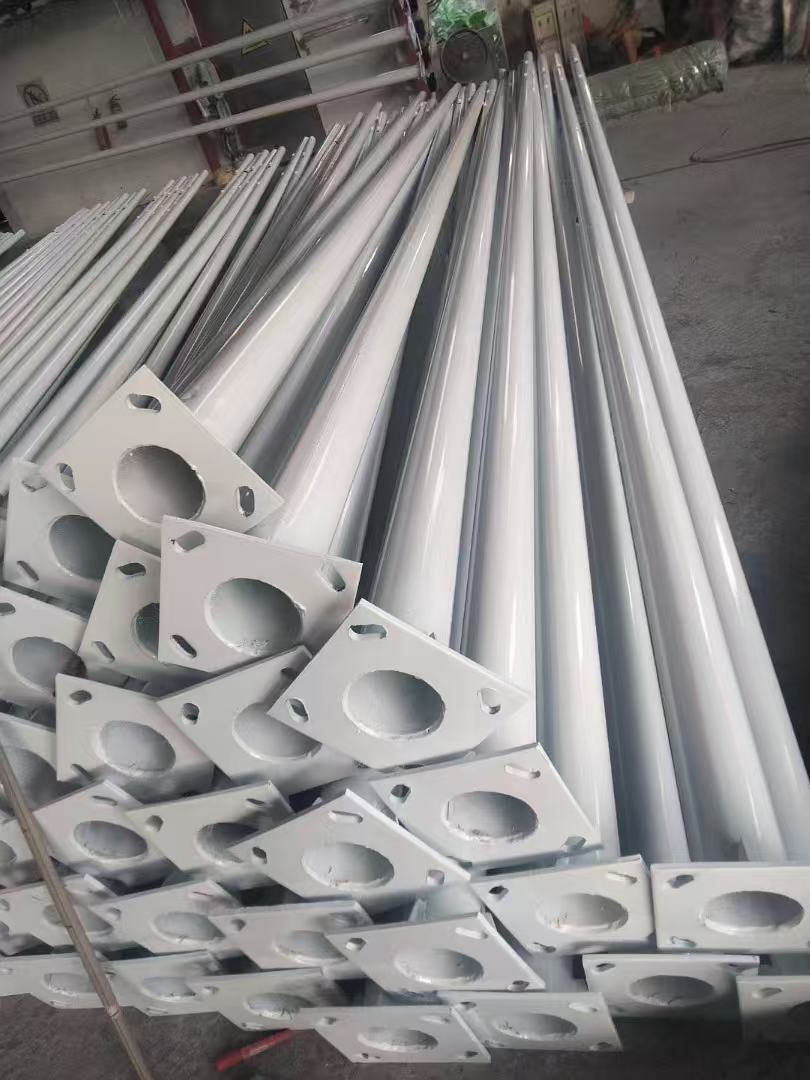
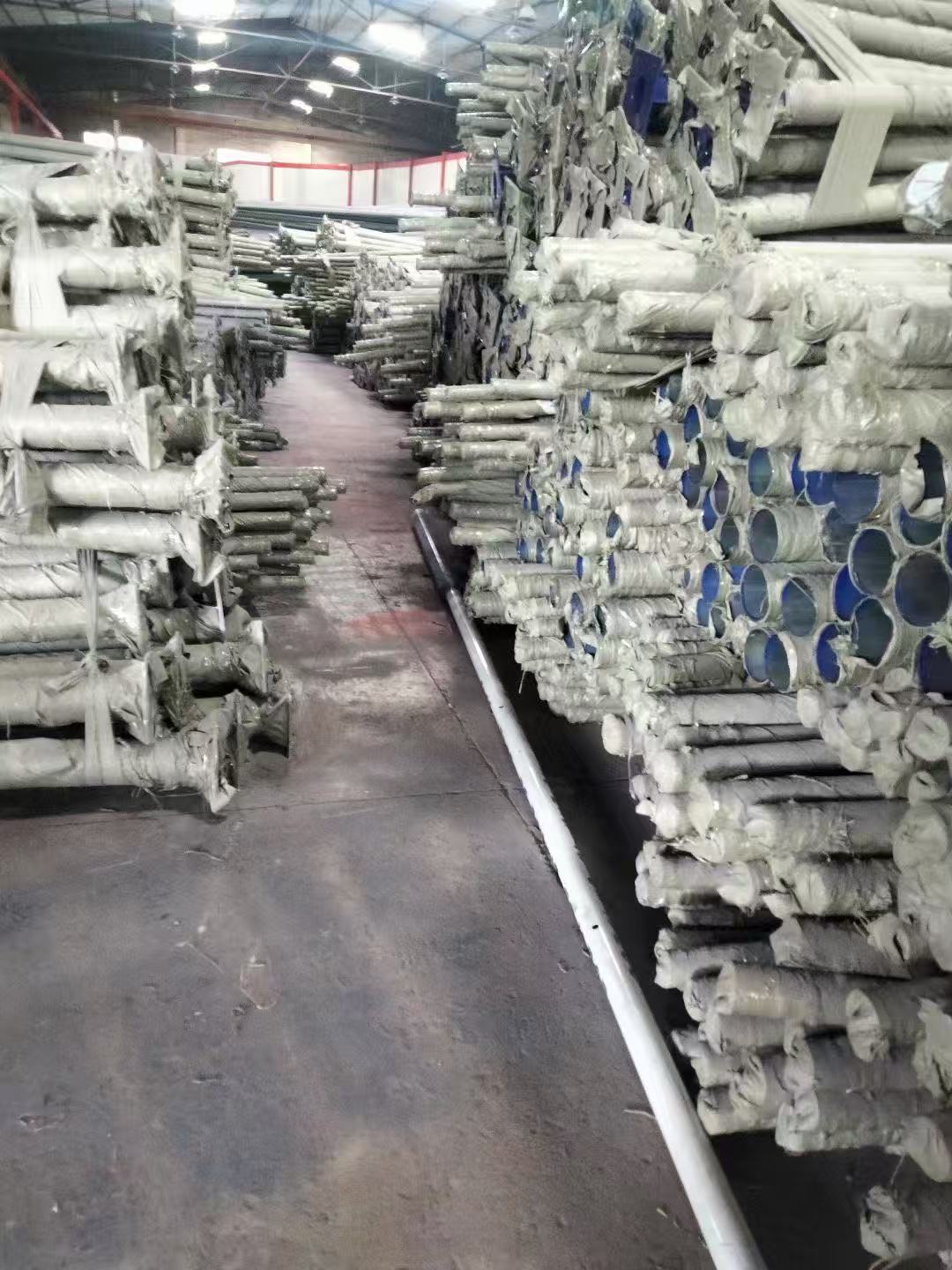
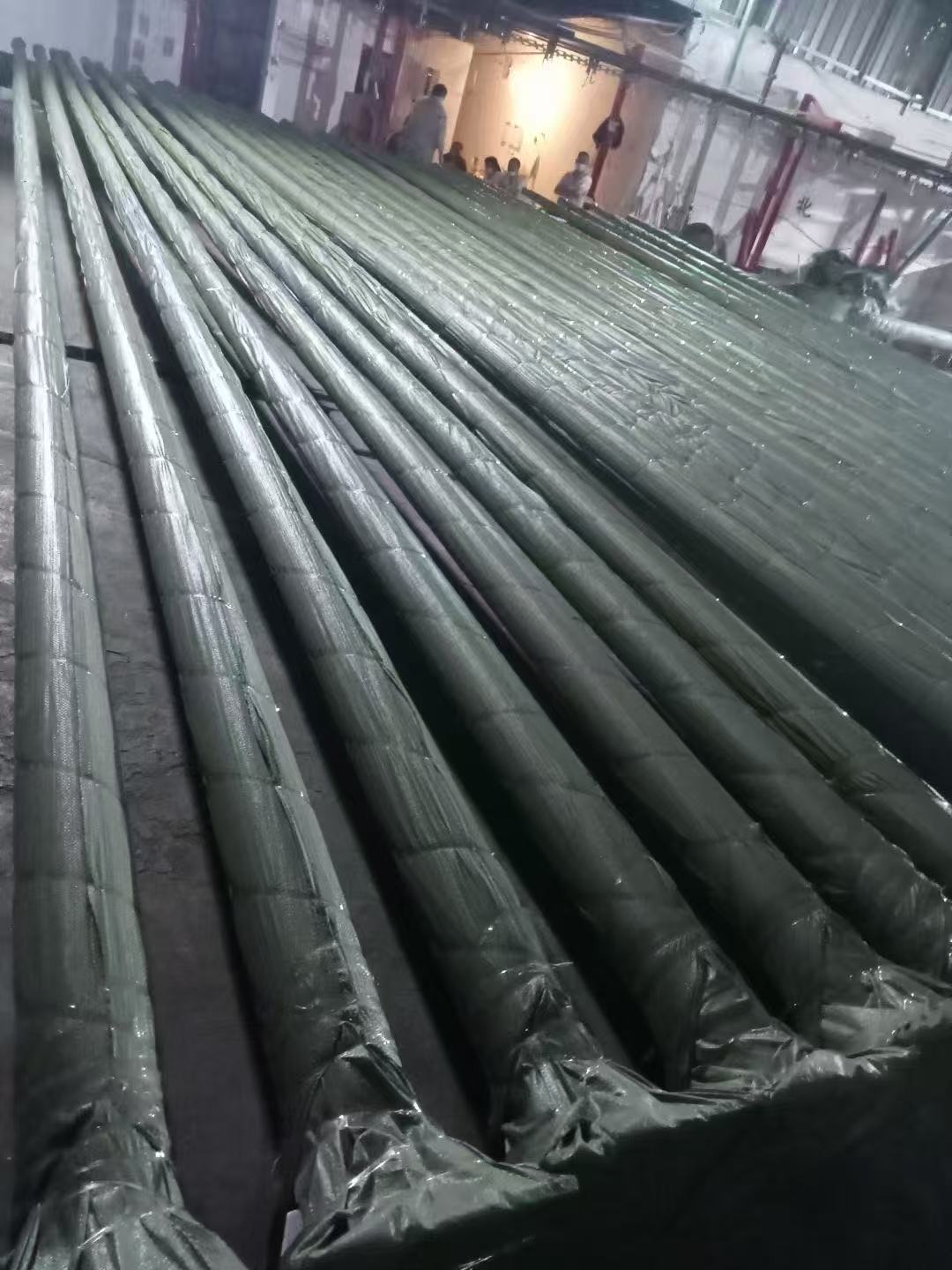
Roughly 37 integrated solar street light models across three housing types — 20 aluminium extrusion, 8 die-cast, and 9 stamped — plus a 100–500 W high-power series for projects that need a split configuration. Poles are manufactured in-house and hot-dip galvanized to a 98 μm coating, warranted for 25 years, so the luminaire and the pole are specified together rather than quoted by two parties.
Frequently Asked Questions
Is all-in-one cheaper than split?
Usually, on delivered cost, because installation time and shipping volume are both lower. The exception is high-wind sites, where the heavier pole required by a top-mounted unit can outweigh the saving.
Can I use all-in-one for a coastal project?
Yes, if the unit is rated IP66 and the pole is specified for the local wind load. Coastal failure is usually a pole and coating issue rather than a luminaire issue.
Which format lasts longer?
Neither, intrinsically. Service life is set by battery chemistry, depth of discharge, and thermal management — not by whether the panel sits on top of the luminaire.
How long does it take to install an all-in-one solar street light?
Once the pole is erected, the unit slips straight onto the pole top and needs no on-site wiring — typically 10–20 minutes per pole with a small general crew. A split system takes two to three times longer, because the panel, battery and luminaire are mounted and wired separately on site.
What should I include in the enquiry?
Road width and length, pole height, required autonomy days, average solar irradiance or latitude, wind-load requirement, and whether theft is a known issue on site.
| Entity | WILSOLAR is the export brand of Zhongshan WilSolar Optoelectronic Technology Co., Ltd., the manufacturer. Production takes place at our own factory in Zhongshan, Guangdong — 28,000 m² across three workshops. Export operations are handled by Shenzhen WilSolar Optoelectronic Technology Co., Ltd. |
| Factory | 28,000 m², three workshops — finished-goods assembly, battery pack, and pole manufacturing |
| Capacity | 100,000 units / year |
| Product range | ~37 integrated solar street light models (20 aluminium extrusion / 8 die-cast / 9 stamped) · 100–500 W high-power series |
| Poles | Manufactured in-house; hot-dip galvanized, 98 μm coating, 25-year pole warranty |
| Track record | 650,000+ units shipped to 80+ countries and regions |
| Warranty | 8-year standard warranty |
| Verification | Remote live video factory tour, booked by time zone |
| Address | Factory: No. 8 Fulin Street, Guzhen Town, Zhongshan, Guangdong, China · Export office: Building 164, Fulian Xincun Zone 2, Heping Road, Longhua Subdistrict, Longhua District, Shenzhen, Guangdong, China |
| Contact | info@wilsolar.com · WhatsApp +86 181 2539 1153 |
Not Sure Which Format Fits Your Site?
Send the six pieces of site data above — road geometry, mounting height, wind load, autonomy days, latitude, theft exposure. We will come back with a format recommendation and the pole specification to match.